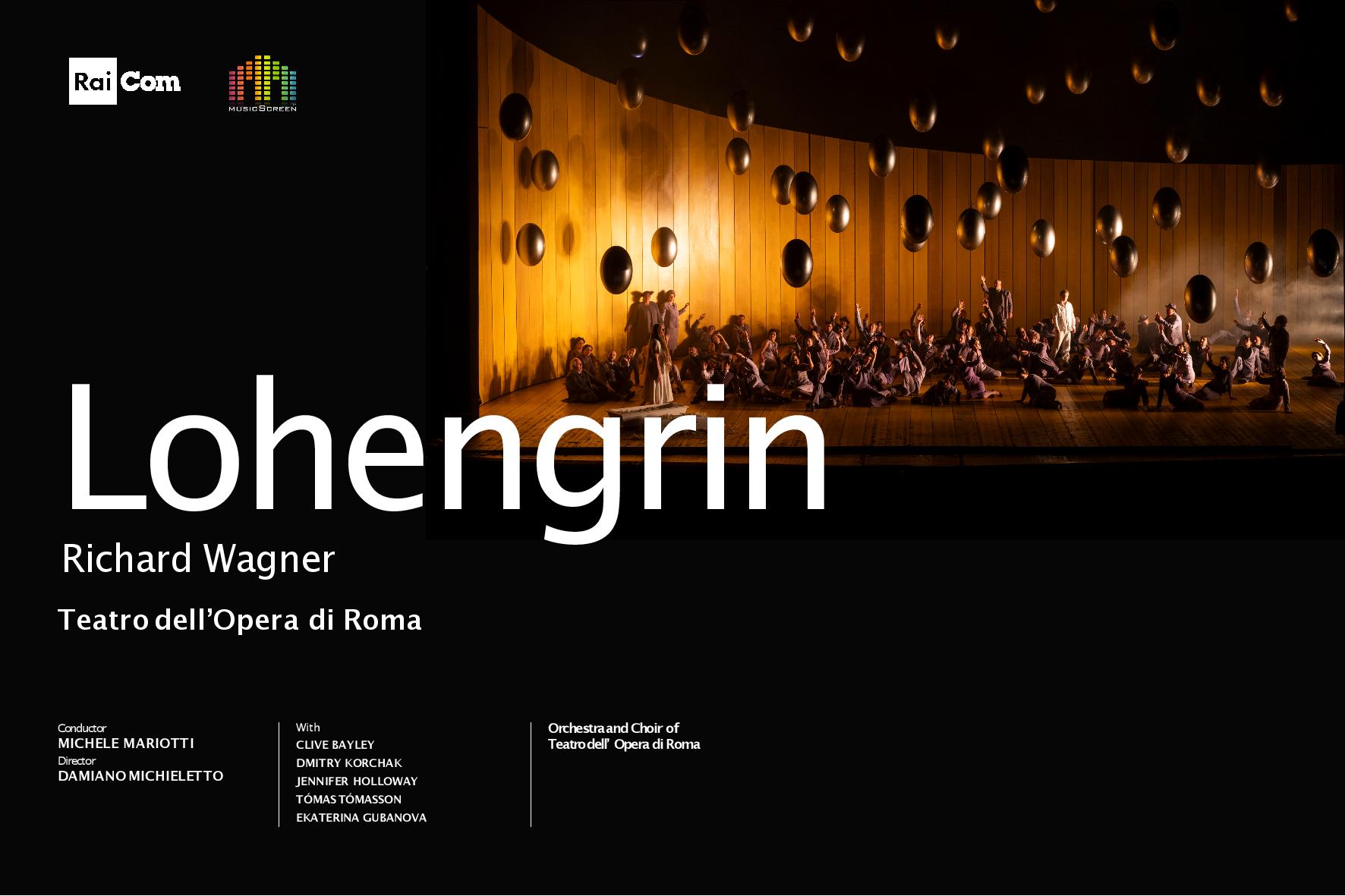
The Teatro dell’Opera di Roma, stages Lohengrin, Richard Wagner’s epic story set in mediaeval Brabant that explores the conflict between Christian faith and Germanic paganism. The three-act opera was first performed at the Deutsches Nationaltheater in Weimar on 28 August 1850, the last of his major works to premiere before his political exile.
Lohengrin was already established as a legendary character before Wagner came to tell his story in opera. A Knight drawn from the German Arthurian legends, Lohengrin is a Knight of the Holy Grail and the son of the Grail King Parzival, another fabled figure Wagner wrote music for. In the legend, Lohengrin is sent to defend the honour of the Duchess of Brabant. He can protect her but there is a condition: she must never ask him his name nor question anything about his identity. The idea of this type of Christian, knightly intervention, and the forbidden nature of knowing anything about it appealed to the German composer and he made it the focal point of his operatic interpretation of the tale.
This production of Lohengrin features all of the iconic elements that make this opera so distinctive, from the Bridal Chorus in Act Three to the mythical arrival of the Knight in Act One.


 The Bonington